Solar Structural Engineering: Load Calculations & PE-Stamped Analysis
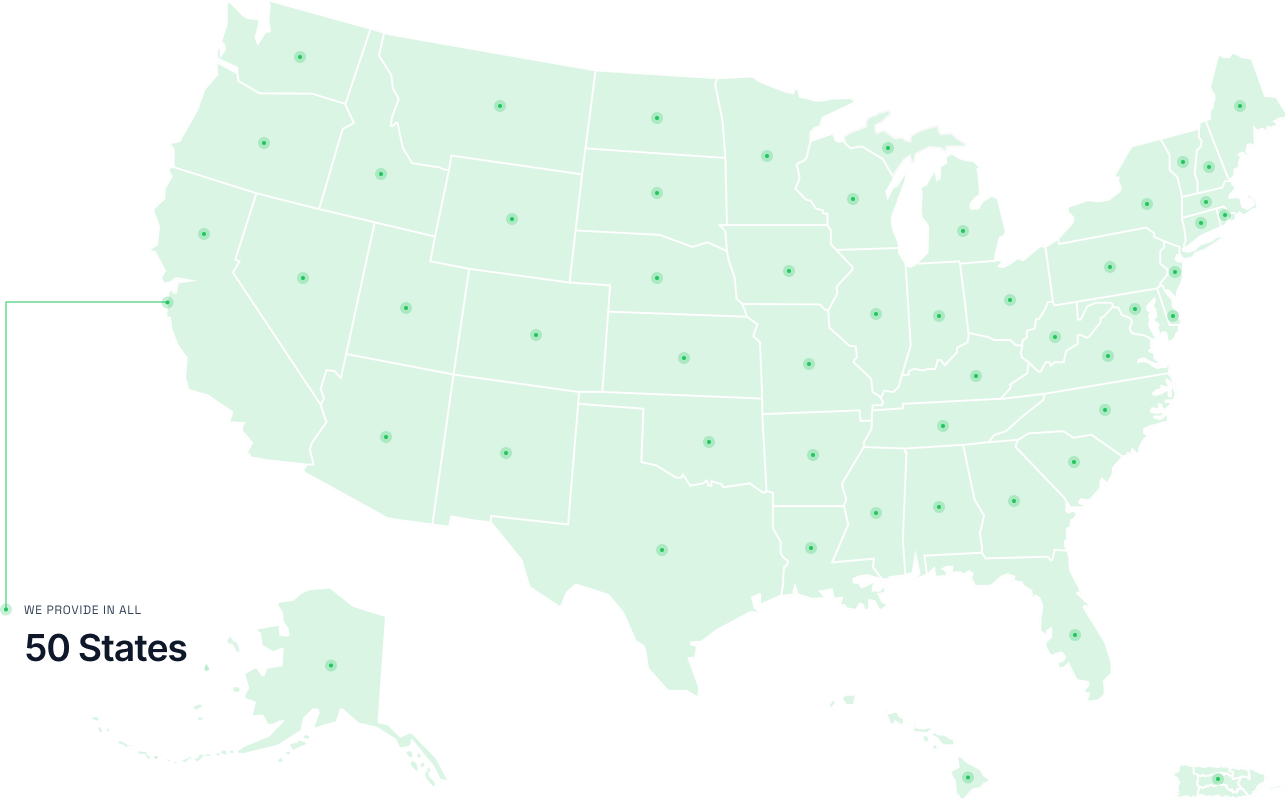
A PE stamp is not a formality. It is a licensed professional engineer putting their name, their license, and their professional liability on the structural integrity of your solar installation. At Barun Corp, our professional engineers are licensed in all 50 states and Puerto Rico. When one of our PEs signs an engineering plan, they are taking legal responsibility for every structural decision—not simply approving a template produced by an offshore drafting service.
That is a meaningful difference. It is what separates an engineering firm providing rigorous oversight from services that merely “sell stamps.”
Risk Mitigation: Roof Structure Assessment & Licensed Professional Engineer Code Compliance
The most expensive structural problems in a solar project are the ones nobody checked for before the modules were mounted. A roof structure that looks sufficient during a preliminary site walk can be carrying rafters already near their load limit, trusses with historical water damage, or roof framing that was never engineered to handle the dead load of modern, high-efficiency solar systems.
Before any solar installation moves forward, we evaluate the existing framing against the current building code (IBC/IRC) and ASCE 7-22 requirements. We analyze for sagging, deterioration, rot, and members operating at or near capacity. The dead load of a solar panel array, combined with site-specific wind uplift forces, can push a marginal structure into catastrophic failure. We identify these risks before they become your legal liability. Where site data is insufficient to make a definitive call from drawings, we require a site visit to verify structural assumptions.
C&I Structural Analysis: Accurate Solar Load Calculations & PE Stamping Services
Commercial and industrial (C&I) projects involve higher financial stakes and complex roof types like metal purlins and concrete decks. Our engineers for solar move beyond templates to provide physics-based solar structural analysis for every array.
01
Code-Compliant Calculations
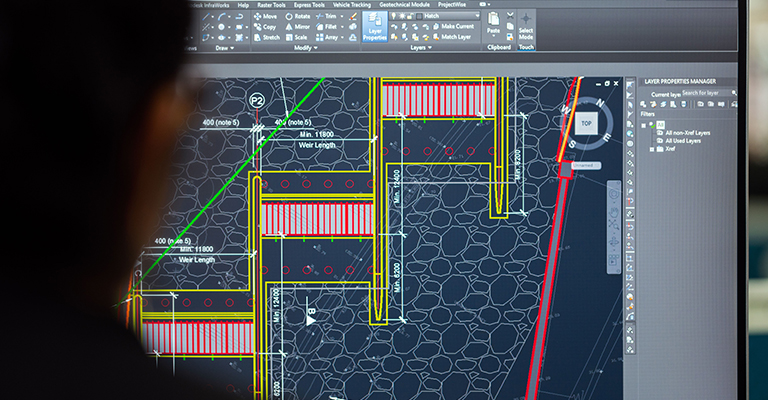
We use a precise load calculator to verify dead load, wind uplift, and attachment shear per IBC and ASCE standards.
02
Snow Drift Analysis
Solar arrays often act as snow fences. We calculate localized drift loads to ensure the roof structure isn’t compromised by un-modeled weight.

03
Seismic Engineering
In high-seismic zones, we provide specific attachment schedules to address the lateral forces acting on the mounting system.
04
Data-Driven Retrofits
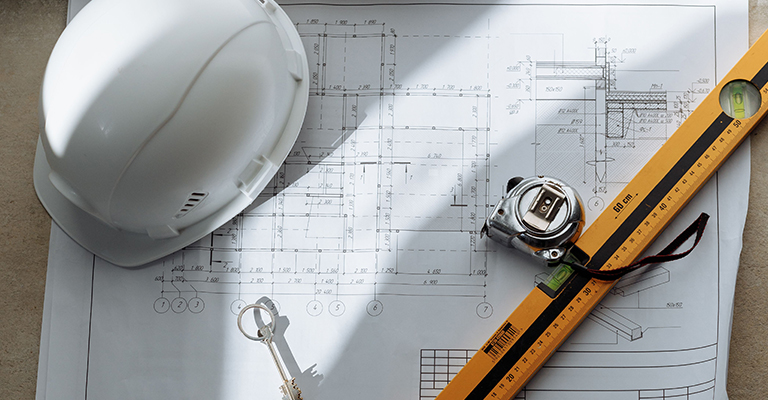
if the numbers show reserve capacity, we tell you. If a retrofit is required, we specify practical, buildable reinforcements—not “CYA” blanket recommendations.

05
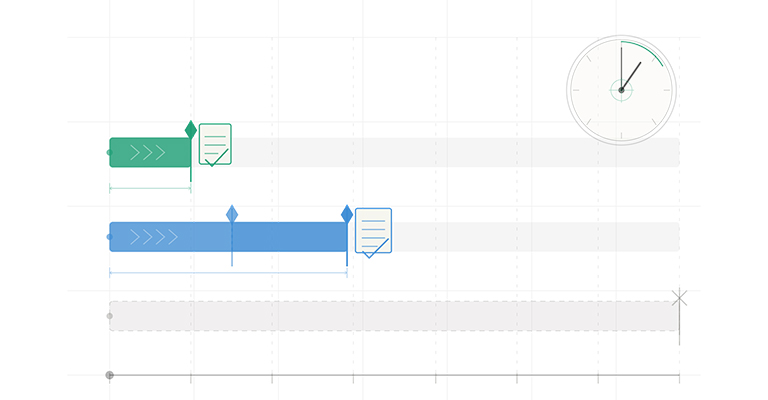
Fast Turnaround
Aged and Non-Standard Roof Structures
Older buildings, carports, canopies, and accessory structures require a different level of scrutiny than a recently constructed commercial roof. For these projects, our engineering firm conducts a member-by-member analysis of the existing framing. If reinforcement is needed, we specify it directly—sistering joists, adding structural bays, or other interventions—so your contractor has a clear path forward rather than a rejection with no guidance.
Professional Liability & PE Stamping Services
Licensed Engineer Review & 50-State Compliance
What exactly is included in a structural engineering report for an approval plan?
A comprehensive report includes an evaluation of existing roof framing, dead load from the proposed solar panel system, wind uplift forces, and attachment analysis per IBC and ASCE standards. The report confirms whether the structure can safely support the proposed solar installation and provides reinforcement recommendations if deficiencies are identified. This approval plan is prepared by a licensed professional engineer designed in accordance with local building codes and the National Electrical Code.
Does adding solar to a commercial flat roof always require a structural retrofit?
No. Many commercial buildings are engineered with a high enough safety factor to permit the added load. A retrofit is only warranted when solar load calculations show that forces actually exceed allowable structural limits. Our engineering services run the numbers using a precise load calculator to support code compliance across applicable codes and regulations.
How much weight does a typical solar array add to a roof?
How do you strengthen an existing roof if it fails the initial structural analysis?
If the roof framing does not meet required capacity, reinforcement may include sistering joists or rafters, adding new framing members, or redistributing loads. All modifications are designed by our engineers for solar to meet the current building code.
How do wind zones and building height impact ballasted solar designs?
How does solar array layout affect roof loading?
Perimeter and corner roof zones experience higher wind pressure. Our stamp ensures that the mounting system is reinforced in these areas. Larger, continuous arrays can sometimes reduce the average ballast demand compared to segmented layouts.
How have recent IBC/ASCE updates (e.g., ASCE 7-22) changed solar load calculations?
What are the common reasons a building cannot structurally support rooftop solar?
Lightly framed agricultural outbuildings, aged framing, or roofs with heavy aftermarket HVAC apparatus can limit capacity. In these cases, our engineering firm provides detailed member analysis to determine if a solar project is viable or requires reinforcement.
What is the difference between a structural engineering stamp and an electrical engineering stamp?
A structural engineer stamp for solar verifies that the building can safely support physical loads. An electrical engineering stamp covers conductor sizing, equipment ratings, and National Electrical Code compliance. Both are often required for solar permitting.
Are digital PE stamps accepted for solar permitting in 2026?
Most jurisdictions accept digitally sealed stamps for solar with tamper-evident authentication. This streamlines the solar permitting process while providing full license number accountability from our licensed professional team.
How does an engineering stamp ensure the project meets local safety guidelines?
The pe stamp from our professional engineer indicates that a licensed professional has reviewed the permit plan for technical accuracy. It signals to the AHJ that the design has been prepared in accordance with applicable codes and that the PE is taking legal responsibility for the design.
Do solar panels void a roof's structural warranty?
Generally, they do not if the solar installation is performed per code and PE stamp solar review. However, installers should always check specific manufacturer terms to ensure the solar project doesn’t conflict with existing warranties.
How long does it take to get a PE-stamped solar structural report?
Technical Appendix: Engineering Standards
- ASCE 7-22 Wind Uplift Zones: We specify attachment spacing based on site-specific wind pressure maps.
- Seismic Displacement: In high-seismic regions, we provide the lateral force analysis required for racking system stability.
- Member-Level Modeling: We evaluate the actual stress on individual rafters and purlins to confirm the roof framing integrity.
- Indemnification & Liability: Every pe stamp is backed by our firm’s professional liability insurance, providing the legal risk transfer your firm needs.

service area
Nationwide PE Stamped
Solar Plans