State-Specific Solar Engineering & AHJ Challenges

Most engineering firms learn AHJ requirements the hard way—through corrections, resubmissions, and time-consuming project delays that eat into your margins. Barun Corp takes a different approach.

Every redline we receive from a local government jurisdiction goes into our internal database to pre-emptively solve future revision loops.

This technical infrastructure provides immediate project velocity, ensuring your plan sets bypass the 2-week ‘correction-resubmission’ cycle that stalls your competitors.

If you are a solar installer or EPC contractor doing volume work across multiple states, the solar permit process is either a bottleneck or a competitive advantage. We are built to make it the latter by reducing the soft costs and administrative overhead that plague the solar permit process.

National Engineering Standards & 50-State Code Compliance

Scaling a solar installation business nationally means your professional engineering documentation has to hold up in jurisdictions you’ve never worked in before. That is where generic plan sets break down—and where ours don’t. Barun provides engineering documentation for permitting, including structural calculations, electrical single-line diagrams, equipment layouts, and PE-stamped plan sets aligned with local AHJ requirements.

We deliver construction-ready plan sets built to the current code requirements: NEC 2017, 2020, and 2023 for rapid shutdown, conductor sizing, and overcurrent protection; IBC & IRC 2021 for rooftop structural analysis; ASCE 7-16 and 7-22 for wind and snow load calculations in extreme environments; and NFPA 855 for energy storage and hybrid solar energy designs. Our goal is straightforward: first-pass AHJ acceptance for every building permit, every time, in any jurisdiction.

Conquering Regional Challenges:
Building Permits & Local Government Rules

The AHJs that intimidate national installers are the ones we’ve built specific expertise around. Florida’s high-velocity hurricane zones, NYC’s fire codes, Chicago’s EMT mandates—these aren’t edge cases for us. They are the jurisdictions where we’ve already done the work, absorbed the corrections, and refined our solar engineering process. We provide the responsive technical oversight needed to clear hurdles in hours, not weeks. By front-loading AHJ-specific requirements into the initial design, we compress the approval timeline in even the most restrictive markets

Florida Hurricane Zones: High-Velocity Wind Engineering

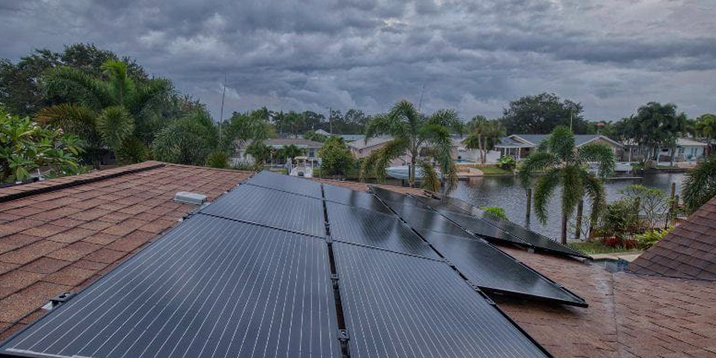
In High-Velocity Hurricane Zones (HVHZ), a permit application that works in the Midwest will fail immediately. Installing solar panels in Florida requires a professional who understands the specific wind-load pressures on a rooftop. We perform uplift calculations specific to the Florida Building Code and ASCE 7, evaluating forces on solar panels, racking systems, and roof attachment points.

Urban Jurisdictions: NYC DOB & Chicago EMT Mandates

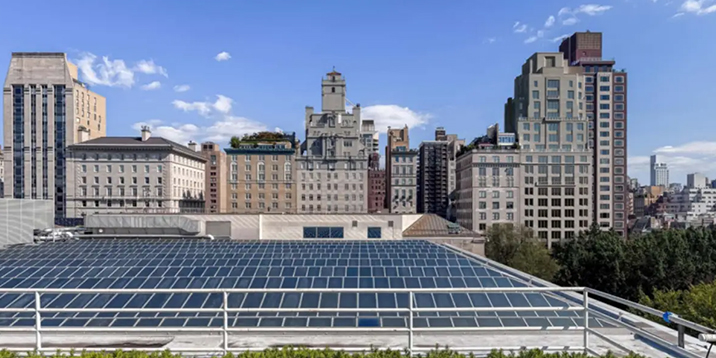
New York City and Chicago represent two of the highest-friction solar markets in the country. Out-of-state firms routinely underestimate the solar permit application requirements and pay for it with failed inspections and time-consuming project delays.

For NYC DOB Projects:

We coordinate directly with FDNY requirements, ensuring energy storage and solar array layouts include the required 6-foot clear perimeters and 3-foot pathways. We manage Post-Approval Amendments (PAA) and “Old Code” structural classifications.

In Chicago:

The local building department mandates metallic conduit (EMT) and specific labeling. We build that into the design stage so your solar permit process doesn’t stall at the final inspection.

Battery Energy Storage System (BESS) & Energy Storage Integration

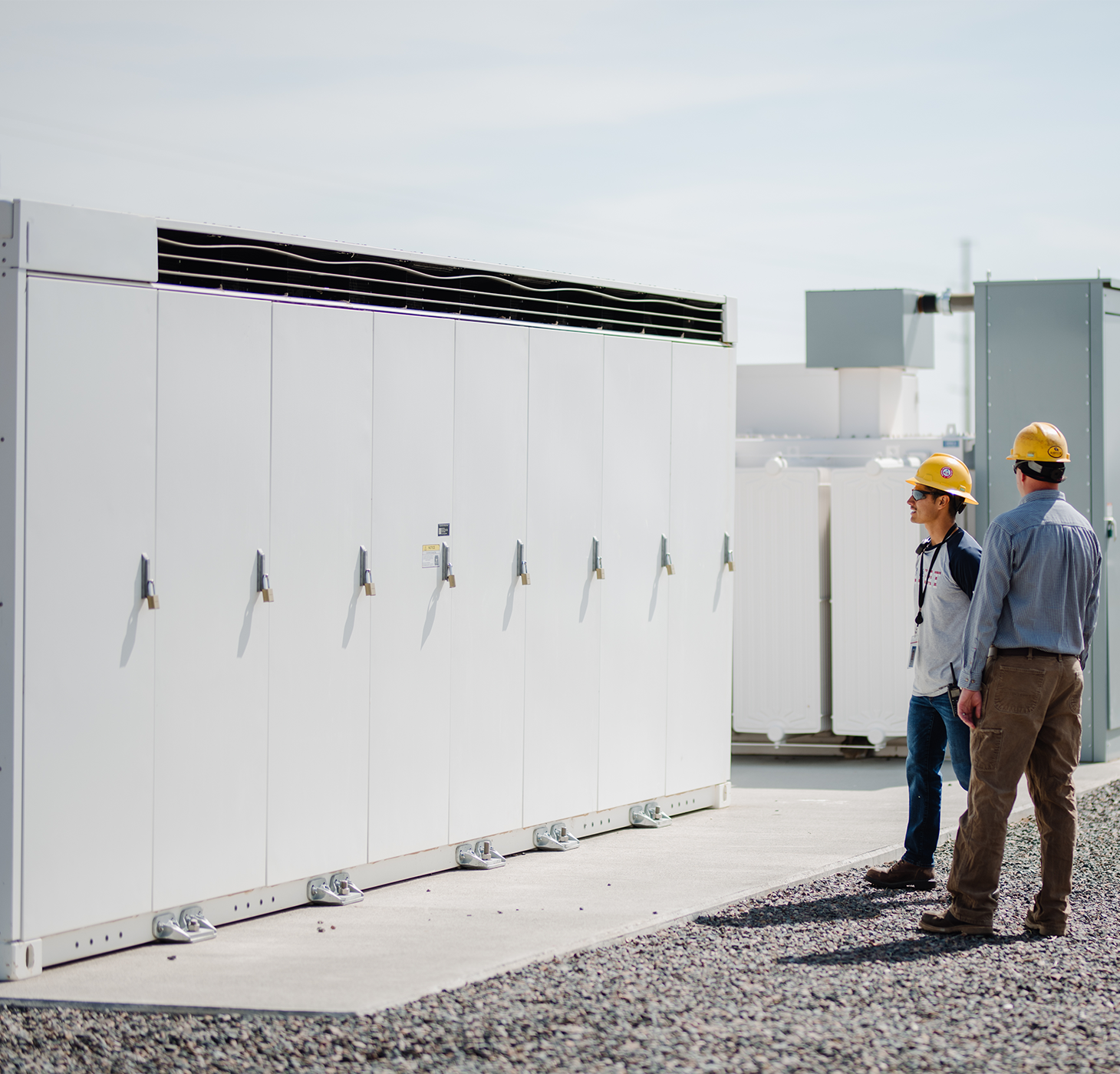
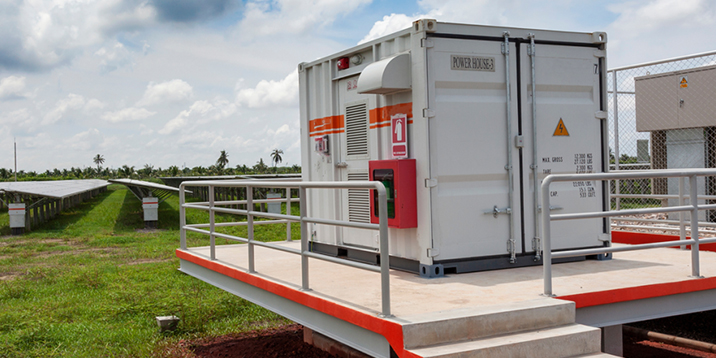
The redesign loop on energy storage projects is one of the most expensive problems in solar development. Fire marshals often flag issues late in the permit process, forcing costly changes to equipment spacing, ventilation, and access layouts. We eliminate that by integrating NFPA 855 and local fire codes at the preliminary design stage. If fire code is a design constraint from day one, it never becomes a reason to miss an interconnection deadline.

Solar Permit Application FAQs
Engineering & Jurisdictional Compliance

How do you handle commercial solar permit applications for retrofits?
Every commercial retrofit we engineer includes a 10% IEBC lateral load check. This verifies that the additional solar array doesn’t compromise the existing roof diaphragm and keeps the project within the threshold required by the International Existing Building Code (IEBC). The result is structural sign-off for your building permit without forcing unnecessary reinforcement costs onto your project.
Yes. Soft costs—including labor spent on permit application revisions—can account for a significant portion of a solar project’s budget. We target the responsiveness gaps in the permitting process. By delivering “construction-ready” plan sets that proactively address local government redline patterns, we drastically reduce the administrative overhead and move your project toward interconnection faster.
We maintain a design framework that adapts to shifting utility interconnection standards, including FERC Order 2023. Our job is to make sure our partners aren’t caught off guard by regulatory changes that affect solar installation timelines.

Yes. Our documentation standards are built to align with SolSmart guidelines. Standardized plan sets help local governments process the solar permit application faster, which shortens timelines for everyone.

Technical Breakdown: AHJ-Specific Design Constraints

To streamline your solar permit, we focus on the following high-friction technical details:

01

NYC DOB Structural Analysis

We evaluate “Old Code” buildings (pre-1968) to determine if the existing rooftop can support the solar panel dead load.

02

Chicago Electrical Specifics

We ensure all plan sets for rooftop solar in Chicago specify EMT conduit for all DC and AC wiring.

03

Miami-Dade ASCE 7-22 Compliance

We provide the precise uplift and downforce calculations required for 175mph+ wind zones in Florida.

04

BESS Fire Separation

We plan for the 3-foot minimum separation between energy storage units and adjacent structures as per NFPA 855.

service area

Nationwide PE Stamped
Solar Plans

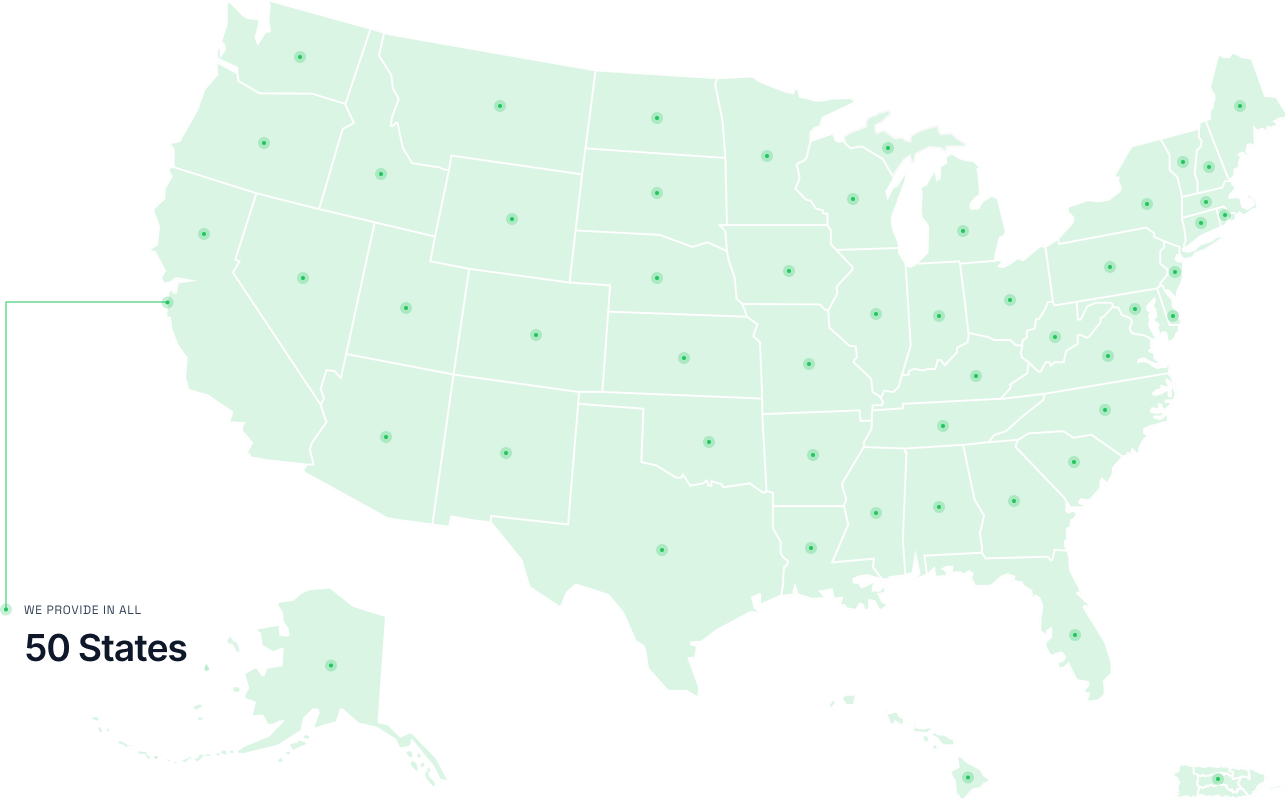
We provide PE Stamped Solar Plans in all 50 states, plus Puerto Rico with in-house licensed structural and electrical engineers authorized to seal your project. For national clients, this single-source licensing eliminates handoffs, reduces delays, and ensures every plan is engineered, reviewed, and approved under one coordinated team.
map