Commercial Solar Engineering: PE-Stamped Plans for EPCs & Developers
Barun Corp provides licensed structural and electrical engineering for solar developers, EPC contractors, and national installers who require fast, approval-ready engineering across multiple jurisdictions. We specialize in high-volume commercial solar engineering services, ensuring that complex C&I and utility-scale projects move from design to interconnection without technical ambiguity or AHJ delays. Our designers and engineers tackle every project with speed and precision, providing a single point of contact to ensure results from small industrial sites to large-scale installations.
Navigating Title 24 Solar Requirements & Commercial PV Compliance
At Barun Corp, we are leaders in engineering. As leaders, we ensure every project meets strict solar requirements. Our team carefully evaluates roof space and roof area to determine the optimal system size, preventing costly delays and reducing AHJ redlines.
- California Title 24 Compliance: For California projects, our engineers also prepare stamped engineering documentation that supports Title 24 and California Building Code compliance.
- Engineering Impact: This ensures commercial solar installation meets solar energy and energy efficiency requirements.
- AHJ Strategy: Leveraging our extensive AHJ database, we identify potential issues before submission, giving EPC engineering support firms confidence that their systems are designed correctly the first time. Highly analytical and detail-oriented, our engineers excel in even the most challenging jurisdictions.
C&I Solar Design: Engineered PV Systems & Solar Panel Layouts
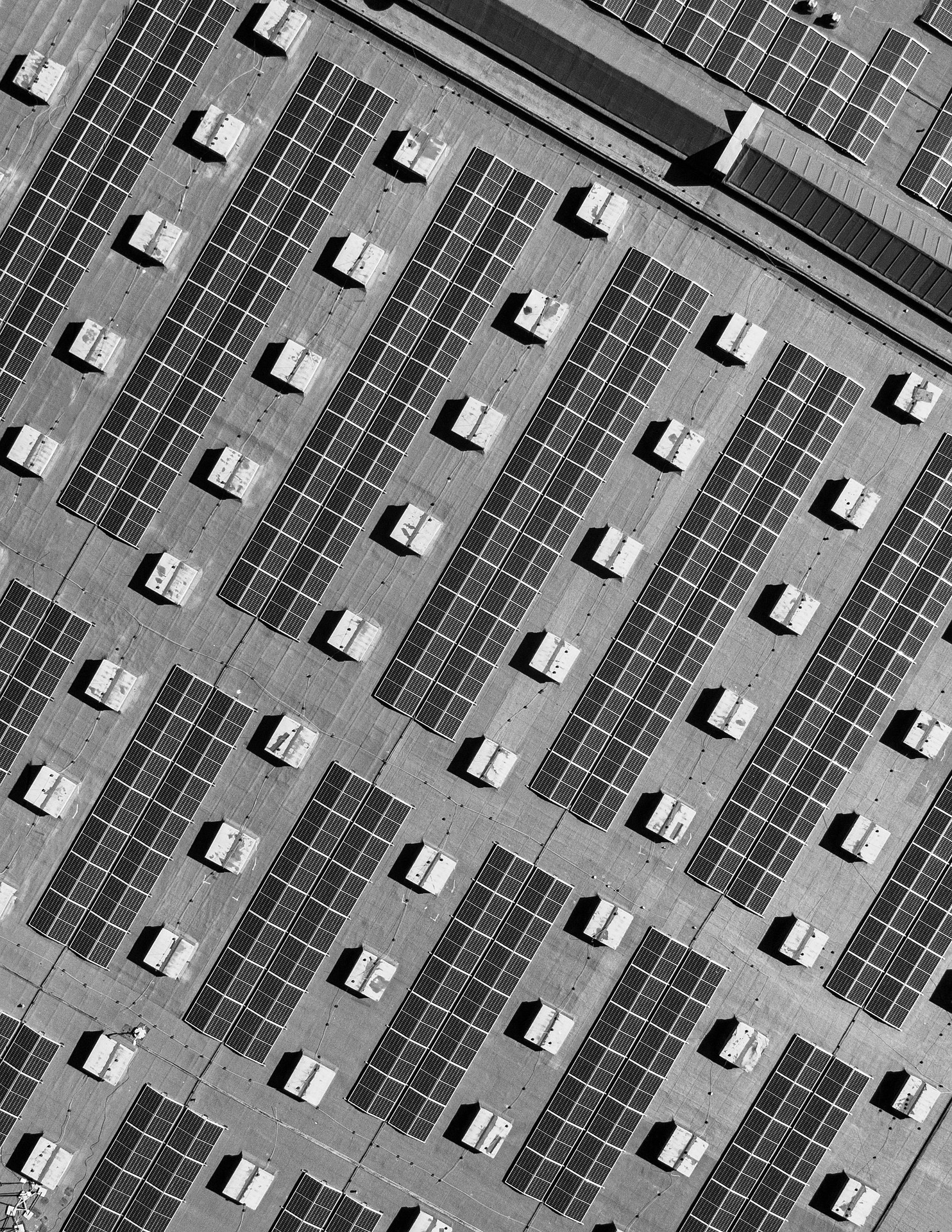
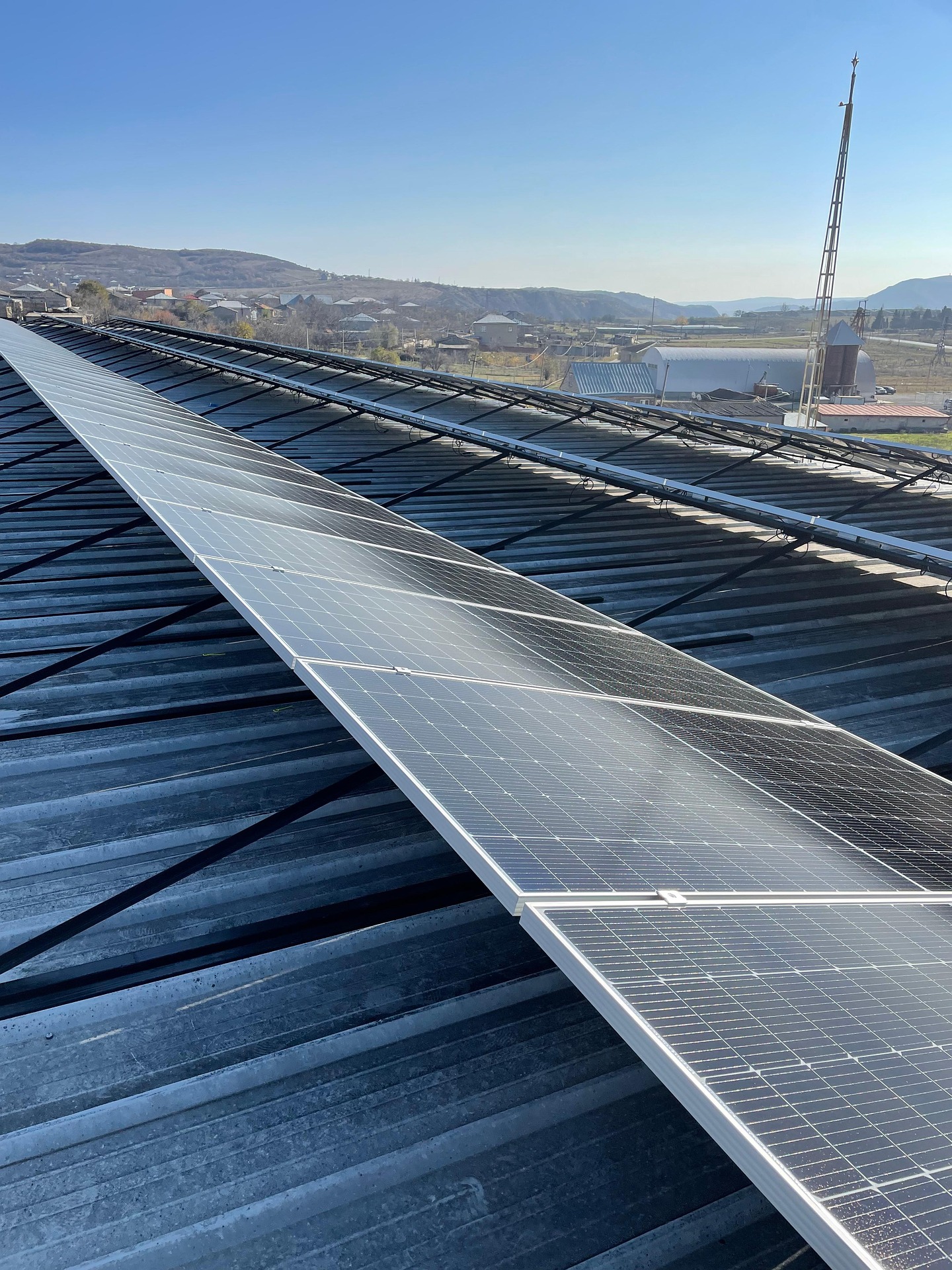
Barun delivers engineering-driven plansets for office buildings, warehouses, and diverse commercial facilities — from small projects to 16.52 MW utility-scale installations. We design and engineer all PV systems, including rooftop, ground mount, carport, and canopy configurations, ensuring solar panels are optimized for compliance and performance.
- Technical Deliverables: Our full deliverables include PE stamped solar plans, detailed three-line diagrams, and complete construction-ready plans — far beyond basic drafting.
- Professional Guidance: We provide professional guidance on system layout, solar structural calculations, and roof capacity, empowering clients committed to clean energy.
- Integrity and Excellence: Through engineering excellence and integrity, we help expand sustainable energy deployment with confidence.
System Impact Studies & Battery Storage Integration for Commercial Projects
Commercial Solar Engineering FAQs
PV Systems, Installation & ROI
C&I Design & Economics:
What is the exact difference between c&i solar projects and utility-scale solar?
Commercial & industrial (C&I) solar projects are typically designed for businesses, schools, and commercial properties, whereas utility-scale solar systems are massive installations that feed directly into the grid. C&I projects balance on-site energy savings and long-term ROI, while utility-scale focuses primarily on large-scale renewable energy production. Residential solar is smaller in scope but shares some engineering principles with C&I projects.
How is your commercial engineering process different from standard residential solar?
Commercial solar engineering accounts for more complex load profiles, multiple interconnections, and larger rooftops or ground arrays. Unlike residential solar, C&I projects require detailed structural, electrical to optimize performance and long-term reliability. This ensures maximum efficiency and adherence to stringent utility interconnection standards.
What are the 3 main phases (30%, 60%, 90%) of commercial solar design?
The 30% phase is preliminary, Preliminary Layout and Line Diagram (for interconnection purposes), The 60% phase includes Detailed Layout, Stringing Plan, Structural Details, and Line Diagram. Finally, the 90% phase delivers cover Sheet/General Notes, Detailed Layout, Stringing Plan, Structural Details, Line Diagram, Placards, Data Sheets, including Structural and Electrical Stamps.
How much does a commercial solar system typically increase a property's value?
C&I solar systems can increase a property’s market value by about 3–5%, depending on system size and local energy costs. Investors and tenants often value properties with built-in renewable energy, especially when combined with long-term savings. Our commercial solar company approach maximizes ROI for solar installations with design packages and approval requirements. Residential solar systems can also enhance value, but commercial systems offer higher energy output and ROI potential.
What are the most common, costly mistakes to avoid in commercial solar design?
Common pitfalls include inadequate solar structural engineering, improper interconnection planning, and ignoring shading or orientation issues. Failing to account for long-term maintenance and tax incentives can also reduce system ROI. Proper engineering upfront prevents expensive redesigns and delayed approvals.
Can proper commercial engineering help a business maximize their federal tax credits?
What does a typical commercial solar design include?
Our commercial solar designs include detailed solar PV layouts, solar panels placement, solar structural calculations, and battery energy storage options when needed. Each project design incorporates single-line and three-line diagrams, equipment specifications, and code compliance checks for NEC, IBC, and local AHJ requirements. This ensures performance, safety, and permit readiness for C&I projects, from rooftop arrays to ground mounts.
How do you deliver commercial solar solutions?
We deliver commercial solar solutions for PV systems and rooftop installation, from small office buildings to large-scale solar installations, with PE-stamped plans and a streamlined engineering process. Our process starts with site assessment and load calculations, then moves to optimized project design and engineering documentation. This approach minimizes delays, ensures code compliance, and maximizes energy production for commercial clients.
System Impact Studies & Interconnection FAQ:
What exactly does a System Impact Study evaluate for the utility grid (e.g., thermal, voltage, stability)?
How long does the utility interconnection approval process typically take for commercial arrays?
How does adding battery storage provide long term resilience for commercial renewable energy investments?
Ready to Engineer Your Next Commercial Solar Project?
Avoid costly interconnection delays and compliance failures. Get PE-stamped commercial solar engineering, Title 24 calculations, and interconnection engineering support done right the first time.
service area
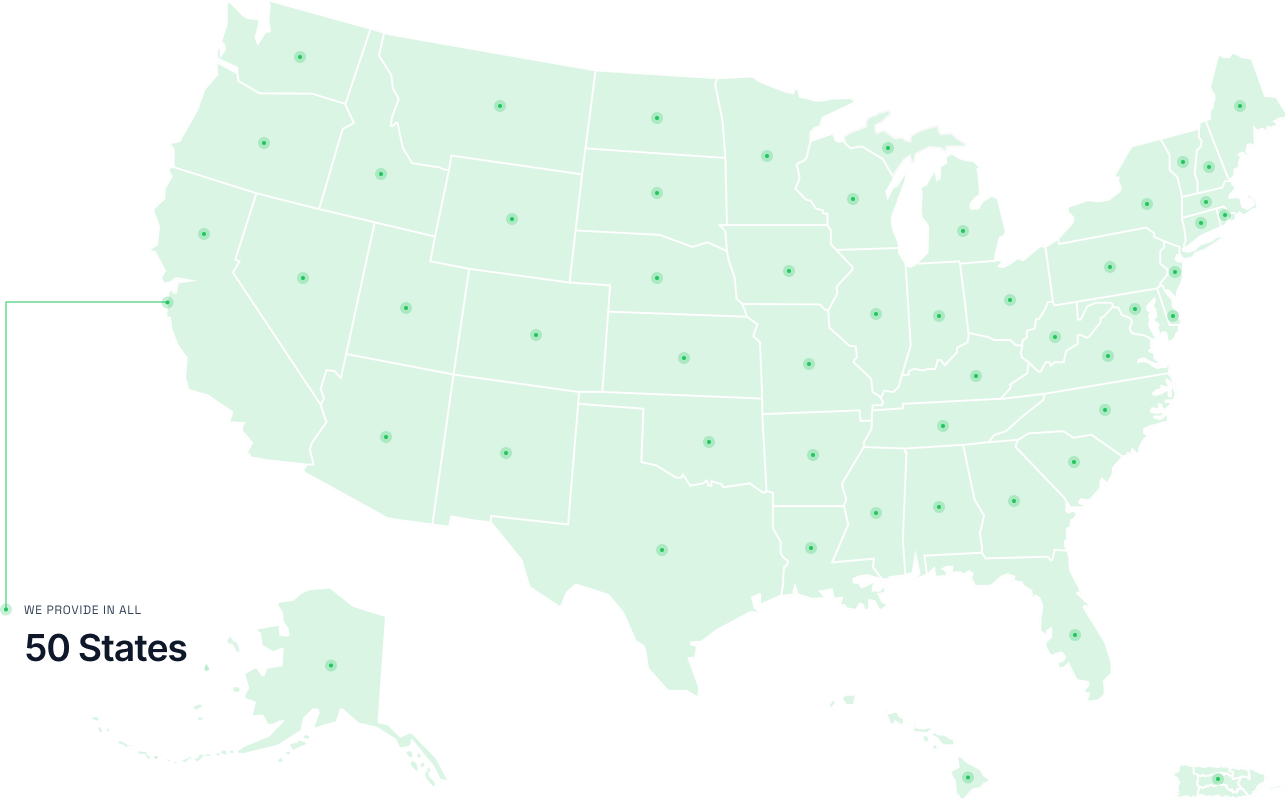
Nationwide PE Stamped
Solar Plans