EV Infrastructure Engineering: PE-Stamped Design for Electric Vehicle Charging Stations
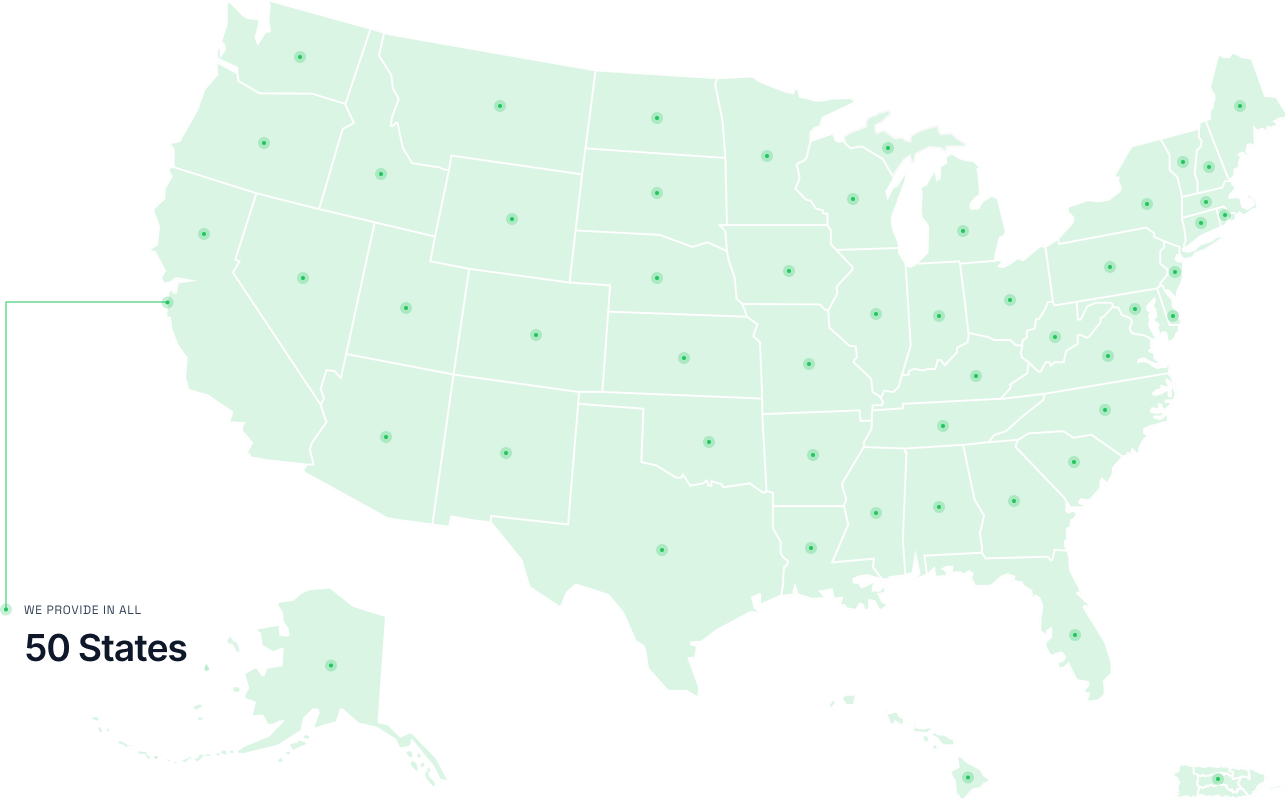
Barun Corp provides licensed electrical and structural engineering for solar developers, EPC contractors, and national installers managing commercial and fleet electric vehicle charging infrastructure. We prepare PE-stamped calculations and technical documentation with quick turnaround times required for AHJ approvals and utility interconnection of electric vehicle charging stations.
Advanced Load Management: Engineering Site Capacity for Electric Vehicle Charging
Commercial deployments of electric vehicle charging stations require precise electrical load analysis of the existing electrical system to determine if it can support Level 2 or Level 3 DC fast chargers. Barun prepares detailed load calculations in accordance with NEC Article 625. These calculations support energy distribution planning for fast chargers and may include documentation for battery storage (BESS) integration to help manage peak demand.
PE-Stamped EV Infrastructure & Make Ready Design
Barun supplies the following engineering components for commercial electric vehicle charging station plan set submissions:
- Electrical Load Calculations: Stamped by licensed PE engineers to verify electrical system capacity and feeder sizing
- Site and Layout Plans: Detailed drawings for parking lots showing cable routing, transformer placement, and stall configurations
- ADA and Accessibility Coordination: Site plans incorporating mandated stall dimensions, slope requirements, and path-of-travel compliance
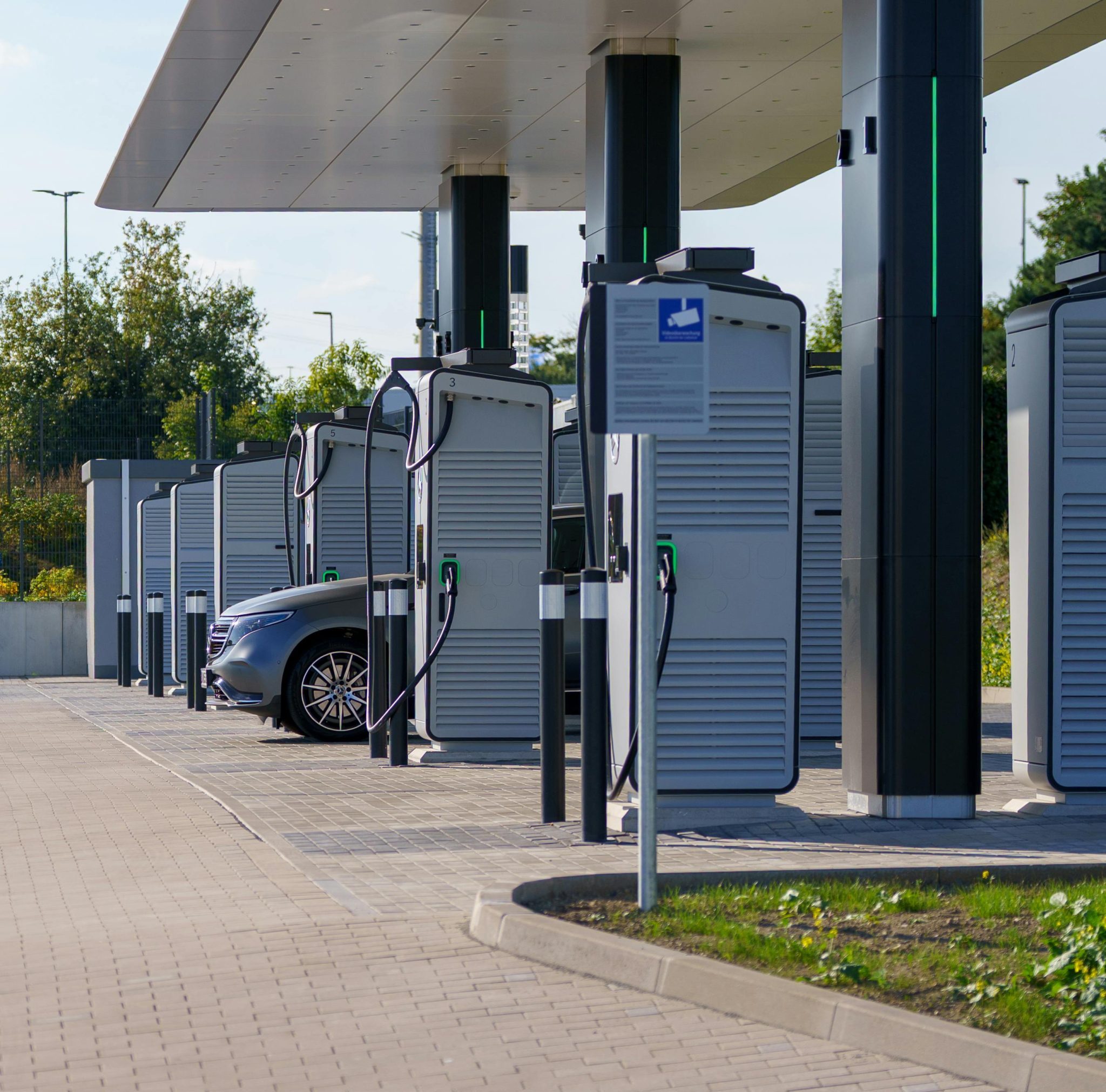
- Structural Engineering: Stamped details for equipment pads, bollards, and canopy structures in parking lots and highway locations
Technical Feasibility: Level 3 DC Fast Chargers & Fleet Integration
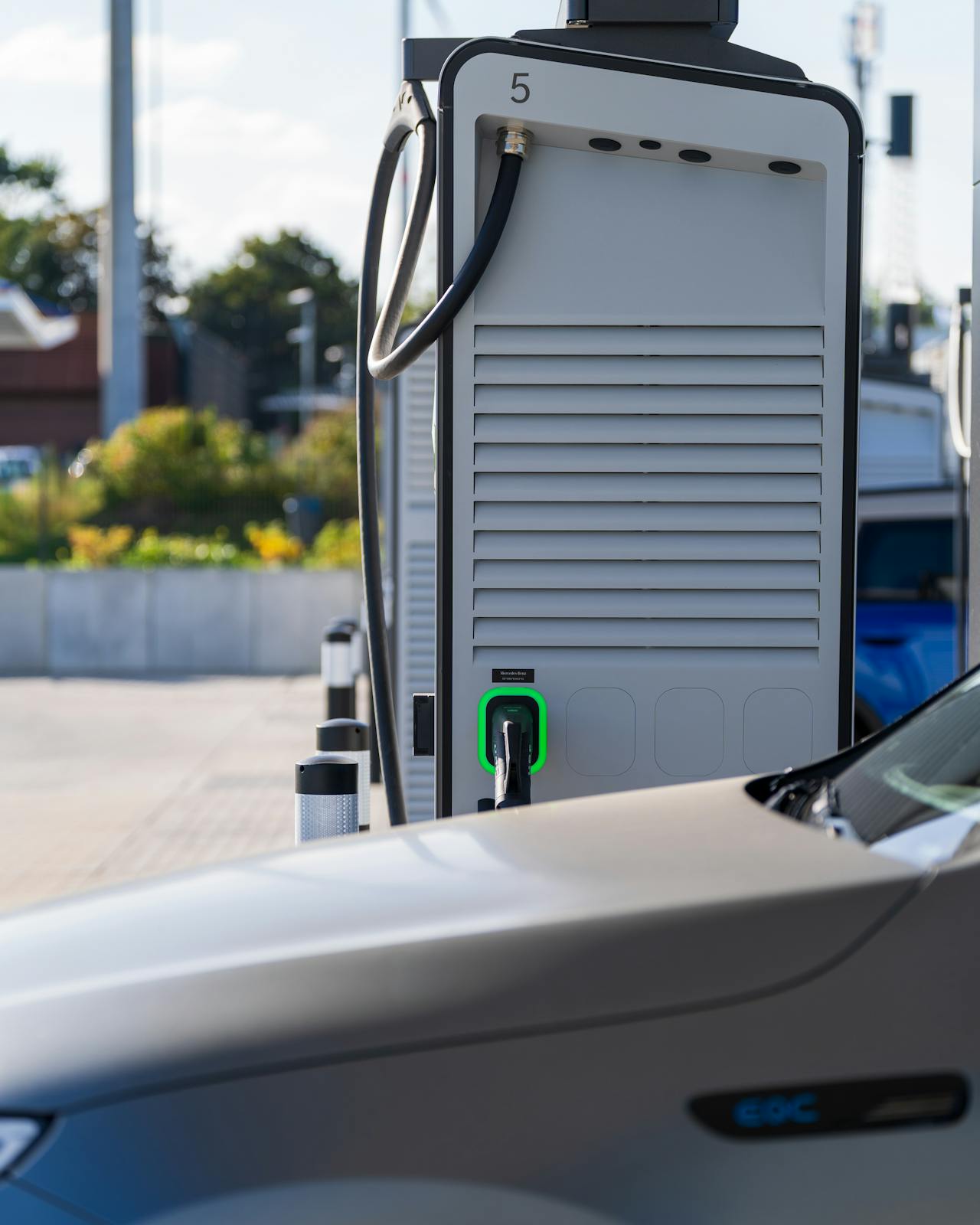
Barun prepares technical documentation for high-output DC fast chargers and fleet charging installations. Our engineering sets include equipment specifications and compliance notes for AHJ review. We provide Make Ready infrastructure design for electric vehicle charging stations, including sizing of the electrical backbone, panel capacity, and underground conduit to support future expansion and high utilization rates for EVs.
EV Infrastructure Engineering & Design FAQs
What is the 30C federal tax credit status for businesses in 2026?
Eligible EV charging projects may qualify for a federal tax credit covering up to 30% of eligible equipment and installation costs. Credit availability depends on project location, prevailing wage and apprenticeship requirements, and other program criteria. Projects must generally be placed in service by June 30, 2026 to qualify under current law.
Disclaimer: Tax credit eligibility and incentive amounts are subject to IRS requirements and may change. Clients should consult a qualified tax professional regarding project-specific eligibility.
What are the current permitting timelines for commercial EV sites in 2026?
What is an "EV Make Ready" parking space?
An “EV Make Ready” parking space is a parking spot that’s prepped for electric vehicle (EV) charging but doesn’t yet have a charging station installed.
- It has the necessary electrical infrastructure (wiring, conduit, and panel capacity) in place.
- It’s ready for future installation of EV chargers without major electrical work.
- Often used in commercial or multi-unit buildings to comply with EV readiness codes.
It’s a future-proof parking spot that makes adding EV chargers easier and cheaper later.
Do EV charging installations require electrical PE stamps?
Do you prepare electrical load calculations for EV infrastructure?
Can EV charging systems be integrated with solar and storage projects?
Complete Project Engineering Support
Ready to Deploy Your EV Charging Infrastructure?
Our responsive engineering support delivers the PE-stamped documentation needed to help keep your electric vehicle charging station projects on schedule.
service area
Nationwide PE Stamped
Solar Plans